Showing posts with label resurrection. Show all posts

Sunday, May 7, 2017

In the Midst - Psalm 23

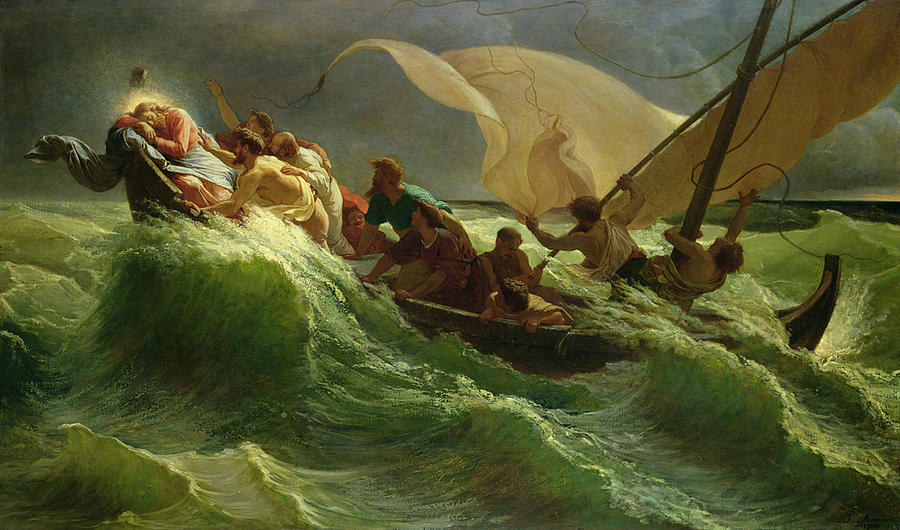
http://images.fineartamerica.com/images-medium-large/christ-asleep-in-his-boat-jules-joseph-meynier.jpg


A couple of years ago, I was helping to teach a class about prayer. We were teaching lectio divina, which means “sacred reading.” In lectio divina, a short selection of scripture is read several times. Each time the scripture is read, those who are praying dive deeper into prayer. They choose a word or a phrase and chew on it, slowly turning it over in their hearts and minds. Sometimes, lectio divina leads into what is known as Imaginative Prayer. In imaginative prayer, the participants imagine themselves having a conversation with Jesus. They imagine not only what they would say to Jesus, which is what we often do in prayer, but also how Jesus would reply.

That day, as I was praying, I imagined that I was on a boat. I realized that I was imagining Matthew chapter 8, when Jesus and the disciples are out on the water and Jesus is asleep in the bottom of the boat. Suddenly, a terrible storm arises. The disciples are doing everything in their power to keep the boat from sinking. And Jesus keeps sleeping. There is a terrible storm, and Jesus is sleeping! The waves are crashing, the thunder is rolling, and Jesus is sleeping! The disciples wake Jesus up and ask him to help. Jesus gets up and says to his disciples, “Why are you afraid, you of little faith?” Then, he calms the storm.

Monday, April 6, 2015

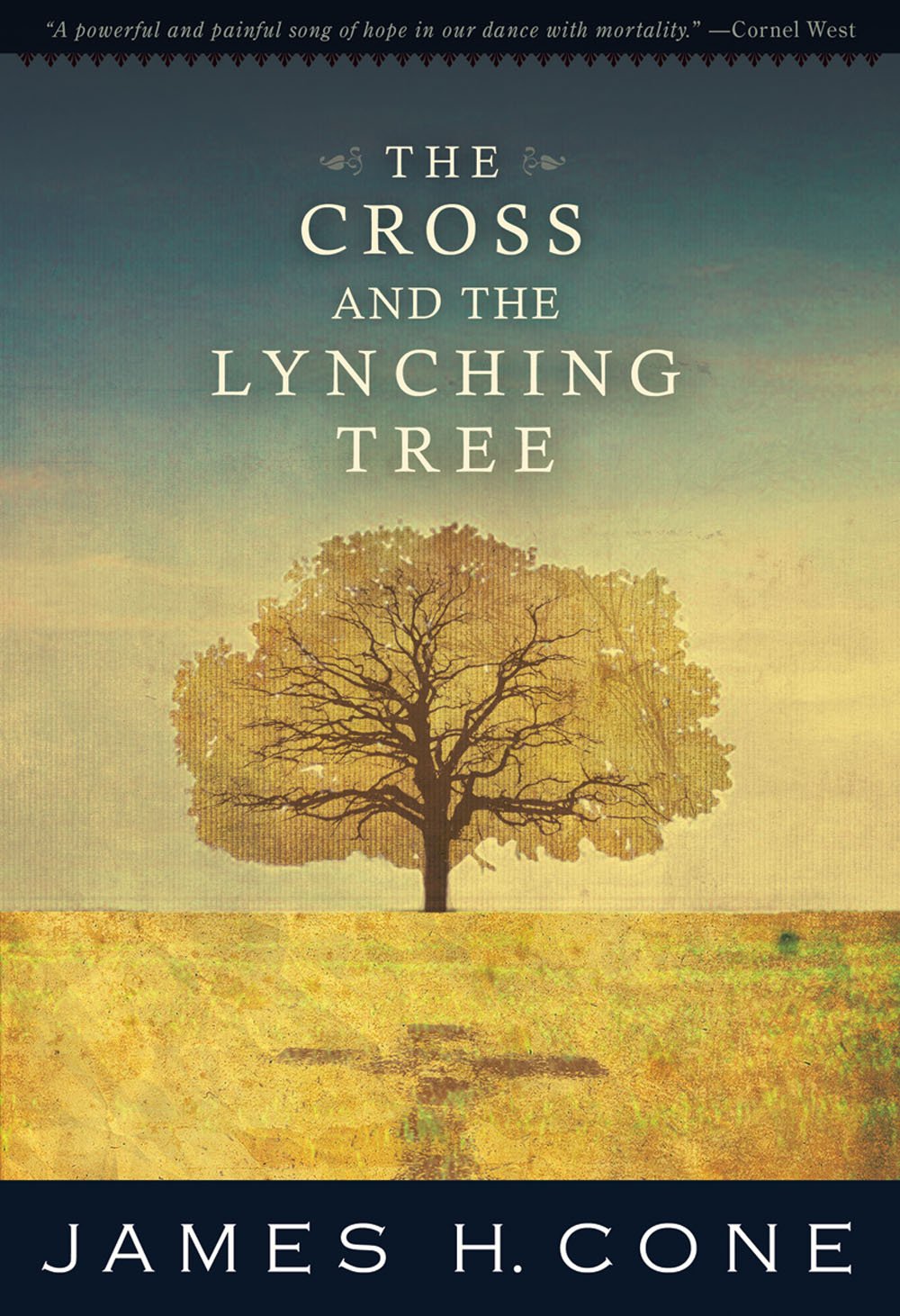
Lent 2015 - The Cross and the Lynching Tree - Chapter 5 and Conclusion

NOTE: Throughout these blog posts, I will mostly be able to write through the narrow lens of my own experience. I am not well versed in critical theory, the study of race, or the discipline of history. Although I consider myself a practical theologian and a Christian, I would not say that I have the skill set of someone schooled in doctrinal, dogmatic or systematic theology or even ethics. I will probably stumble over ways of talking about what I am reading and my reactions to it. With these caveats, I would like to think that this is an appropriate place from which to engage this book. I would hope that this book would be read in churches and seminaries, classrooms and even homes, by people not well-versed in any of the disciplines I mentioned above. I am reading this book for the first time, and so my words, though I hope reflective and thoughtful, will be first time reactions. 
A general introduction to this blog series can be found here, and an index and schedule for the series can be found here.

*****

Yesterday was Easter Sunday, the yearly celebration that remains central for what it means to be a follower of Christ. Without the resurrection, there would be no Christianity. But the resurrection is inexplicable without the cross. Jesus rose from the dead, but not just from any death. 2000 years on from that event, it can be difficult for some Christians to imagine the paradoxical foolishness of a savior who was crucified (1 Corinthians 1-2). Some of us have become numb to the radical scandal of the cross.

Yesterday was also the first Sunday of the month, which meant that my church celebrated communion, the breaking of the bread. We read the story of the "Walk to Emmaus" (Luke 24). Two of Jesus’ disciples could not recognize the crucified and risen Christ in their midst. It was not until bread was broken that their eyes were opened. This breaking of the bread awoke their memory of a few days earlier, when Jesus had broken bread and said “do this in remembrance of me.” (Luke 22:19)

Throughout The Cross and the Lynching Tree, James Cone has been pulling to the forefront of our collective memories the broken bodies of black people, pointing to them in order to lead us to the cross. Throughout he has been defending the claim that our identities as followers of Christ are incomplete without wrestling with the history of slavery, segregation and lynching in the United States. The cross in our time cannot be understood apart from the suffering of black people.