 |
| Image found at: http://blogs.crikey.com.au/ culture-mulcher/files/2010/09/my-son1.jpg |

Showing posts with label solidarity. Show all posts
Showing posts with label solidarity. Show all posts
Saturday, August 8, 2015
God's Own Heart

Monday, March 9, 2015
Lent 2015 - The Cross and the Lynching Tree - Chapter 2
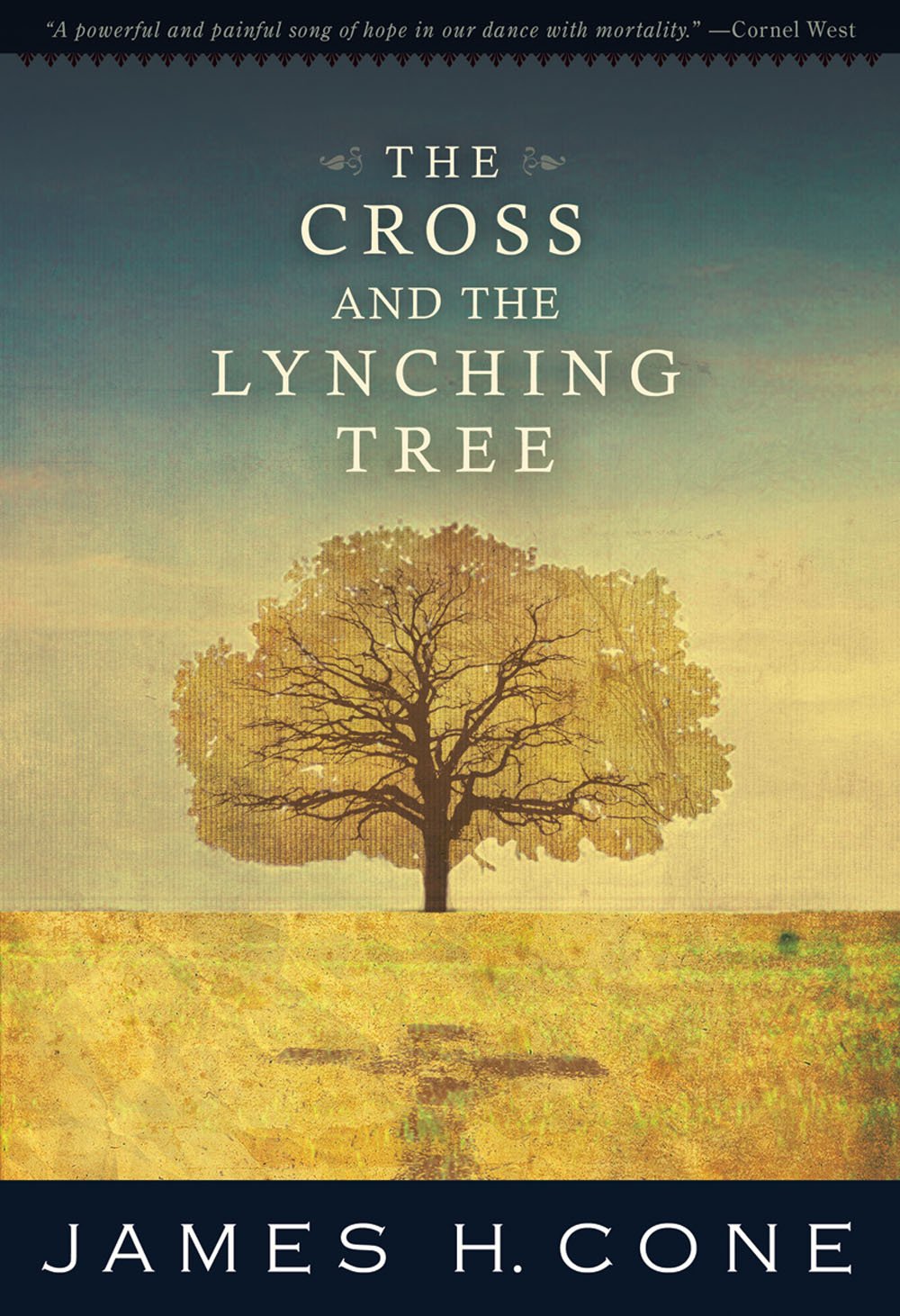
NOTE: Throughout these blog posts, I will mostly be able to write through the narrow lens of my own experience. I am not well versed in critical theory, the study of race, or the discipline of history. Although I consider myself a practical theologian and a Christian, I would not say that I have the skill set of someone schooled in doctrinal, dogmatic or systematic theology or even ethics. I will probably stumble over ways of talking about what I am reading and my reactions to it. With these caveats, I would like to think that this is an appropriate place from which to engage this book. I would hope that this book would be read in churches and seminaries, classrooms and even homes, by people not well-versed in any of the disciplines I mentioned above. I am reading this book for the first time, and so my words, though I hope reflective and thoughtful, will be first time reactions.
A general introduction to this blog series can be found here, and an index and schedule for the series can be found here.
*****
Near the beginning of this second chapter, James Cone forcefully underlines the deep connections between crucifixion and lynching in a searing and convicting passage that must be quoted in full:
"As Jesus was an innocent victim of mob hysteria and Roman imperial violence, many African Americans were innocent victims of white mobs, thirsting for blood in the name of God and in defense of segregation, white supremacy, and the purity of the Anglo-Saxon race. Both the cross and the lynching tree were symbols of terror, instruments of torture and execution, reserved primarily for slaves, criminals, and insurrectionists—the lowest of the low in society. Both Jesus and blacks were publicly humiliated, subjected to the utmost indignity and cruelty. They were stripped, in order to be deprived of dignity, then paraded, mocked and whipped, pierced, derided and spat upon, tortured for hours in the presence of jeering crowds for popular entertainment. In both cases, the purpose was to strike terror in the subject community. It was to let people know that the same thing would happen to them if they did not stay in their place." (31)
He ends this litany with a quote from NT scholar Paula Frederickson, "The point of the exercise was not the death of the offender as such, but getting the attention of those watching. Crucifixion first and foremost is addressed to an audience." (31) Then he makes the crucial and convicting statement for this chapter: "The crucifixion of Jesus by the Romans in Jerusalem and the lynching of blacks by whites in the United States are so amazingly similar that one wonders what blocks the American Christian imagination from seeing the connection." (31, emphasis mine)
The implication of all of this is that, though lynching was a "public spectacle" with "an audience," the vast majority of people in the United States have turned a blind eye to its reality. Even worse, those of us who call ourselves Christians have failed to ignite our imaginations on behalf of those suffering, in prison, hungry, naked and poor—those in whose midst we find Jesus (Matthew 25).
Monday, March 2, 2015
Lent 2015 - The Cross and the Lynching Tree - Chapter 1
NOTE: Throughout these blog posts, I will mostly be able to write through the narrow lens of my own experience. I am not well versed in critical theory, the study of race, or the discipline of history. Although I consider myself a practical theologian and a Christian, I would not say that I have the skill set of someone schooled in doctrinal, dogmatic or systematic theology or even ethics. I will probably stumble over ways of talking about what I am reading and my reactions to it. With these caveats, I would like to think that this is an appropriate place from which to engage this book. I would hope that this book would be read in churches and seminaries, classrooms and even homes, by people not well-versed in any of the disciplines I mentioned above. I am reading this book for the first time, and so my words, though I hope reflective and thoughtful, will be first time reactions. A general introduction to this blog series can be found here, and an index and schedule for the series can be found here.
*****
I have to admit that I'm struggling to write a blogpost about this first chapter. The main difficulty is that no words of mine could replace the experience of reading these stories of hope in the midst of lynching. And that is the point of this book. As Cone writes in the introduction:
"...my primary concern is to give voice to black victims, to let them and their families and communities speak to us, exploring the question: how did ordinary blacks, like my mother and father, survive the lynching atrocity and still keep together their families, their communities, and not lose their sanity? ... I believe that the cultural and religious resources in the black experience could help all Americans cope with the legacy of white supremacy and also deal more effectively with what is called the 'war on terror.' If white Americans could look at the terror they inflicted on their own black population—slavery, segregation, and lynching—then they might be able to understand what is coming at them from others. Black people know something about terror because we have been dealing with legal and extralegal white terror for several centuries." (xviii-xix)
Subscribe to:
Posts (Atom)